

Understanding Ankle Pain: Causes, Symptoms, and Osteopathic Treatment
Ankle pain is a common issue that can significantly affect your mobility and quality of life. As an osteopath, I aim to help you understand the underlying causes of your ankle pain and offer effective, holistic treatment options to give you ankle pain relief.
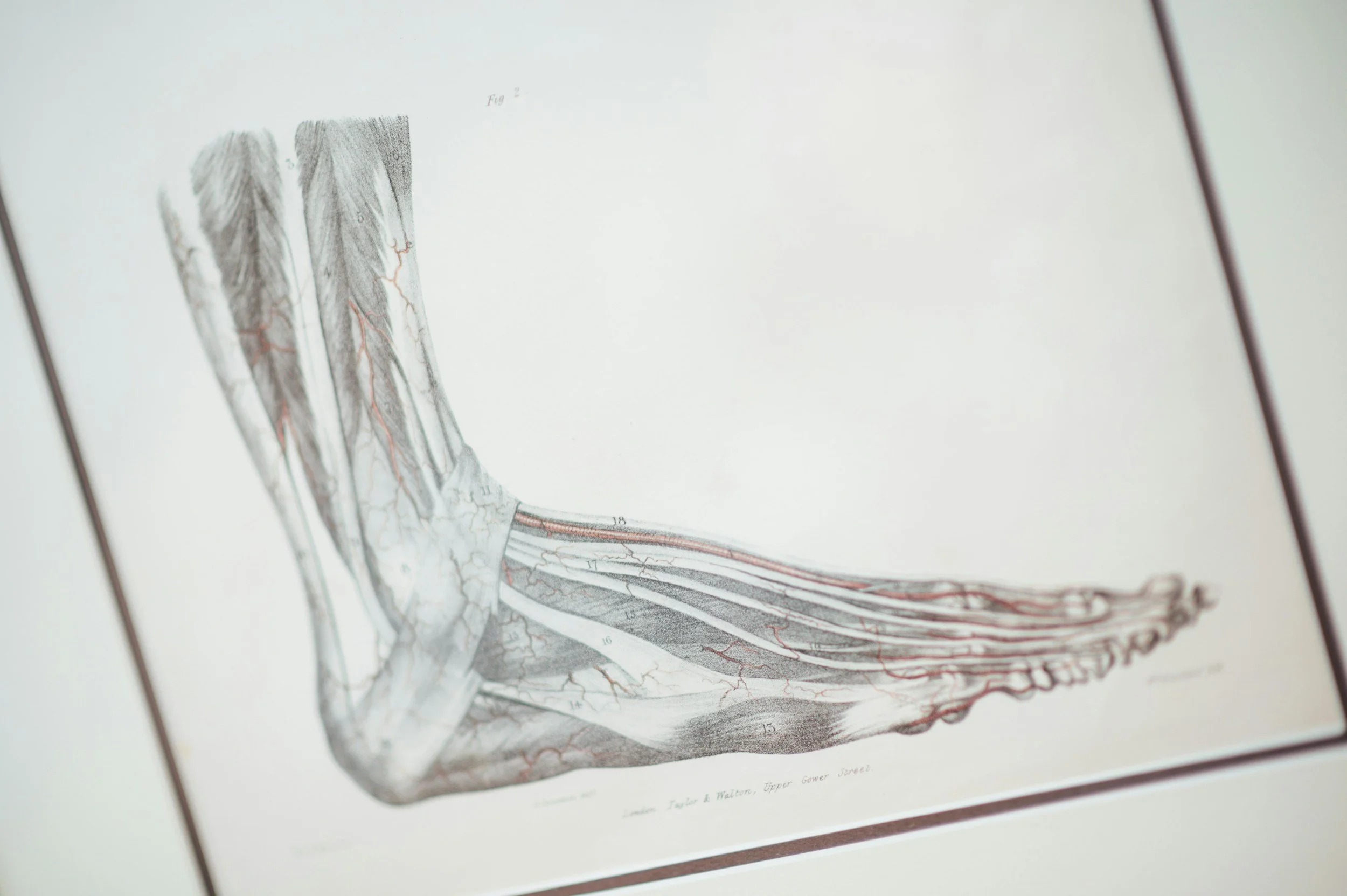
The ankle is a complex joint made up of bones, ligaments, tendons, and muscles, working together to allow for a wide range of motion. Key components include:
Bones: The tibia (shinbone), fibula (smaller bone of the lower leg), and talus (ankle bone) form the ankle joint.
Ligaments: These connective tissues provide stability by connecting bones. The main ligaments are the lateral ligaments on the outside of the ankle and the deltoid ligament on the inside.
Tendons: Tendons connect muscles to bones, with the Achilles tendon being the most prominent, linking the calf muscles to the heel.
Muscles: Various muscles control ankle movement and provide support.
Common Causes of Ankle Pain
Ankle Sprains: Damage to the ligaments due to twisting or turning the ankle unnaturally.
Achilles Tendonitis: Inflammation of the Achilles tendon from overuse or sudden increase in activity.
Plantar Fasciitis: Inflammation of the plantar fascia, causing heel pain.
Arthritis: Inflammatory conditions like osteoarthritis or rheumatoid arthritis affecting the ankle joint.
Tendonitis: Inflammation of the tendons around the ankle, such as the peroneal or posterior tibial tendons.
Fractures: Breaks in the ankle bones due to trauma or accidents.
Bursitis: Inflammation of the bursae, the small fluid-filled sacs cushioning the bones, tendons, and muscles.
Osteopathic Approach to Ankle Pain
Osteopathy offers a holistic approach to diagnosing, treating, and preventing ankle pain by considering the interconnectedness of the body's systems. Here's how osteopathy can help:
Assessment
A thorough Osteopathic assessment is crucial for understanding your ankle pain. This includes:
Detailed medical history review
Physical examination
Assessment of posture, gait, and ankle movement
Identifying contributing factors, such as biomechanics or previous injuries
Treatment Techniques
Osteopathic treatment for ankle pain may involve various techniques:
Soft Tissue Manipulation: Techniques like massage to reduce muscle tension, improve circulation, and promote healing.
Joint Mobilization: Gentle movements to enhance joint function and reduce stiffness.
Myofascial Release: Techniques to release tightness in the fascia, improving movement and reducing pain.
Stretching and Strengthening Exercises: Customised exercises to improve flexibility, strength, and stability of the ankle.
Postural Education: Guidance on maintaining proper posture and body mechanics to prevent further injury.
Lifestyle and Ergonomic Advice: Recommendations on activity modifications to reduce pain and prevent recurrence.
Benefits of Osteopathic Treatment
Pain relief and reduced inflammation
Improved range of motion and flexibility
Enhanced muscle strength and joint stability
Better posture and alignment
Prevention of future injuries
Overall improved quality of life
FAQs
-
Pain and tenderness in the ankle
Swelling and bruising
Stiffness and limited range of motion
Instability or weakness in the ankle
Difficulty bearing weight or walking
Visible deformity in severe cases (e.g., fractures)
-
Diagnosis of ankle pain typically involves:
Physical examination: Assessing the ankle's range of motion, strength and checking for tenderness or swelling.
Imaging tests: X-rays, MRI, or CT scans to identify fractures, ligament tears, or other structural issues.
Blood tests: To check for underlying conditions like gout or infections.
-
Signs that your ankle pain may be serious include:
Severe pain and swelling
Inability to bear weight or walk
Visible deformity
Numbness or tingling
Persistent pain that doesn’t improve with rest
If you experience any of these symptoms, seek medical attention promptly.
-
Immediately after an ankle injury, you should:
Follow the POLICE method: Protect, Optimal Loading, Ice, Compression, and Elevation.
Avoid activities that worsen the pain.
Use over-the-counter pain relief if necessary.
Consult a healthcare professional if the pain persists or is severe.
-
Treatment options vary depending on the cause but may include:
Rest and activity modification
Ice and compression
Osteopathic manipulative treatment
Anti-inflammatory medications
Physical therapy exercises
Orthotics for proper foot support
In severe cases, surgical intervention
-
The healing time for ankle pain depends on the cause and severity:
Minor sprains and strains: May heal within a few days to weeks.
Moderate to severe injuries: Such as fractures or significant ligament tears, may take several weeks to months.
-
Before starting with any programme you should consult a healthcare professional. Exercise rehabilitation plans should be tailored to the individual.
There are exercises can help strengthen and stabilise the ankle:
Range of motion exercises: Like ankle circles and toe flexes.
Strengthening exercises: Such as calf raises and resistance band exercises.
Balance training: Using a wobble board or standing on one foot.
Walk away from Ankle Pain… for the last time
Ankle pain can be debilitating, but with the right approach, it is manageable. As an osteopath, I am dedicated to providing comprehensive care tailored to your specific needs. By addressing the root causes of your ankle pain and utilising a range of effective techniques, we can work together to restore your ankle function and improve your overall well-being.
If you're experiencing ankle pain, don't hesitate to reach out and start your journey toward relief and recovery today.